
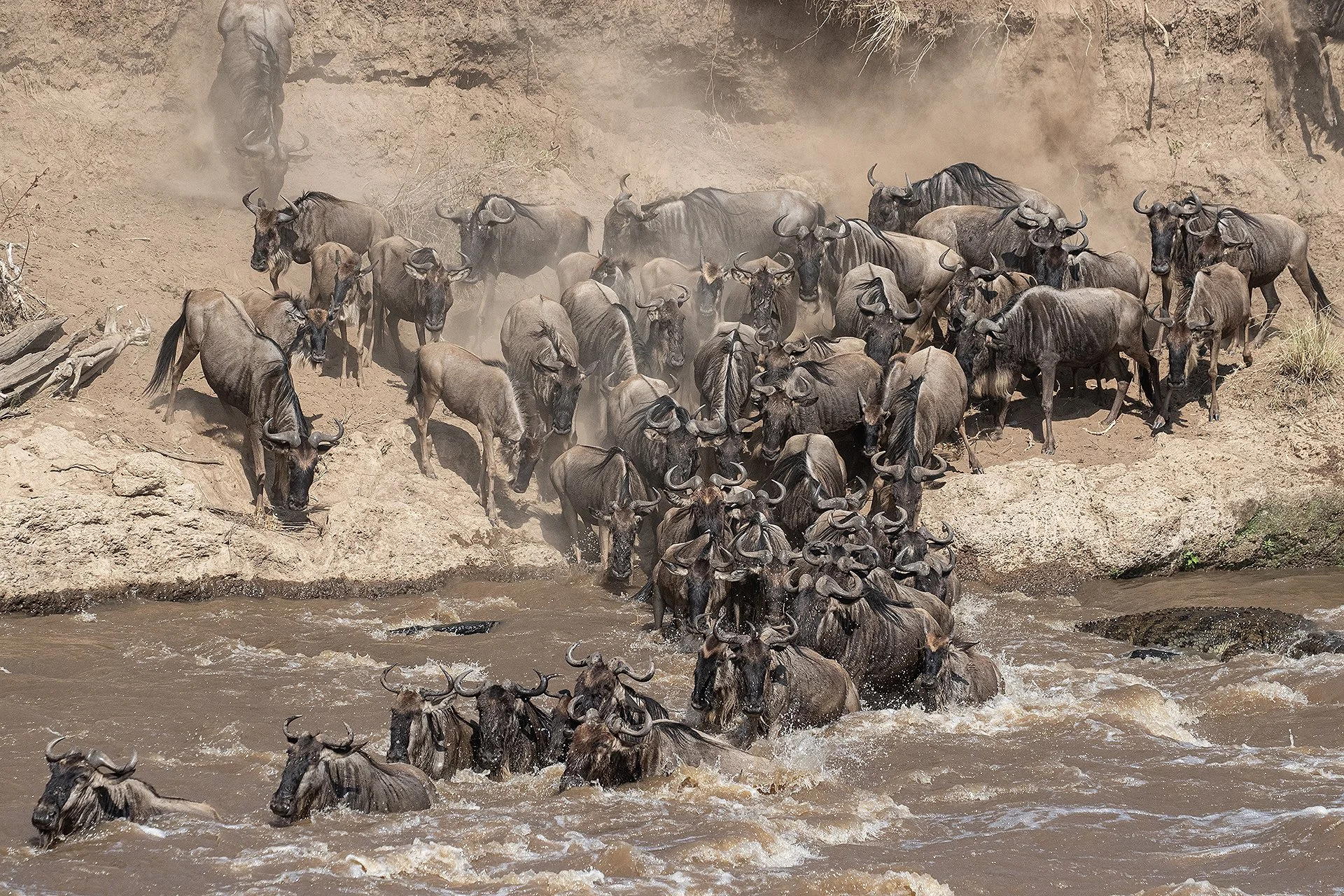
Maasai Mara: The Great Migration
At first glance, you might wonder why BearPhoto is leading an African safari, after all, bears don’t roam the savannahs of Kenya. But at BearPhoto, our passion has never been limited by geography or species. We are driven by one thing above all else: the pursuit of extraordinary wildlife encounters and unforgettable photographic experiences. This journey to the Masai Mara represents exactly that - and more.
We are thrilled to introduce this exceptional photographic safari to Kenya’s legendary Masai Mara, one of the most celebrated wildlife destinations on Earth. For photographers, the Mara needs little introduction. Vast, open plains stretch to the horizon, alive with staggering numbers of wildlife and an unrivalled concentration of big cats. The scale, drama, and raw beauty of this ecosystem offer some of the most powerful natural spectacles anywhere in the world.
Working alongside some of the finest local guides, born and raised on the Mara, we operate as an intimate group of dedicated photographers. Free from the constraints of standard tourist schedules, we focus entirely on light, behaviour, and opportunity. Our days are shaped by wildlife activity rather than crowds, allowing us to linger in perfect conditions and position ourselves for truly compelling images. Our co-guide, Roger, has been returning to this camp for over a decade and is considered part of the family, his experience and relationships open doors that few others can access.
This safari is perfectly timed to coincide with the peak of the Great Migration, when the Mara is at its most dramatic. Over 1.2 million wildebeest, accompanied by hundreds of thousands of zebras and gazelles, surge across the plains in search of fresh grass and water. The iconic river crossings are a heart-stopping display of life and death, as crocodiles wait beneath the surface and predators stalk from the banks, creating endless, high-impact photographic opportunities.
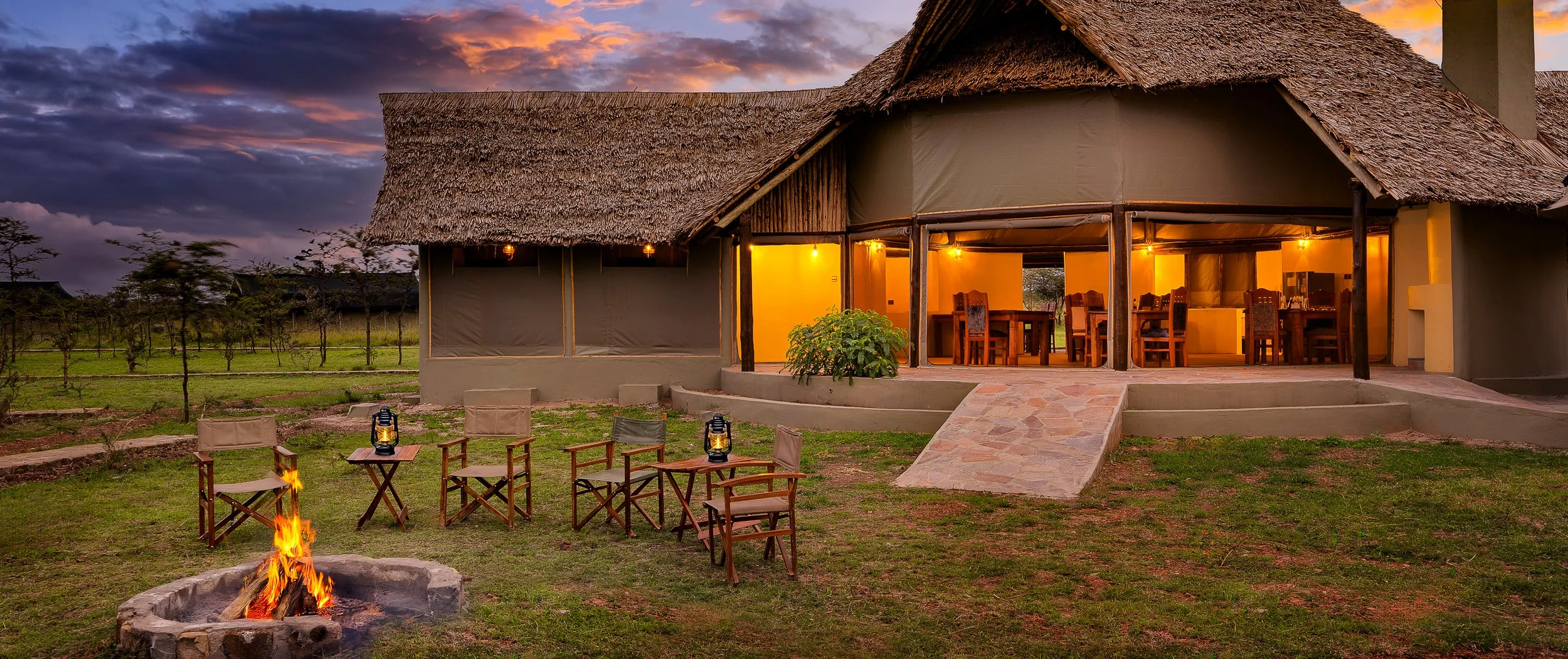
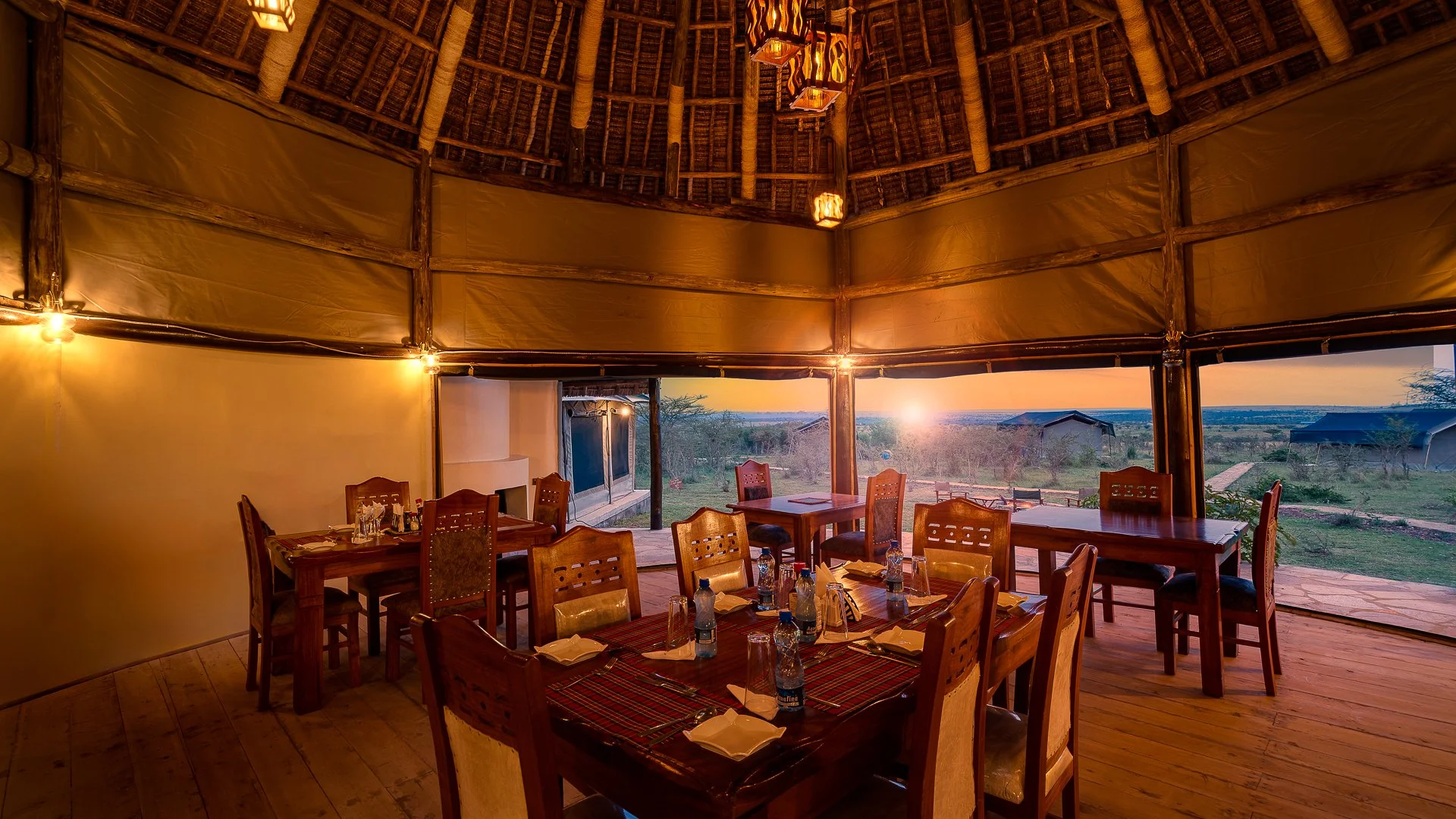
Every element of this tour has been designed with photographers in mind. Our accommodation is a photographer-only camp, ensuring early starts, late finishes, and uninterrupted focus during the best light of the day. Our custom safari vehicles are built for low-level shooting and limited to just three photographers per vehicle, giving everyone ample space, flexibility, and freedom to capture the images they’ve always dreamed of.

Group Size: 8 People

2027: July12th - 18th | SPACES AVAILABLE

Location: Masai Mara, Kenya

Total Tour Cost: $5,600 USD
Cost Includes:
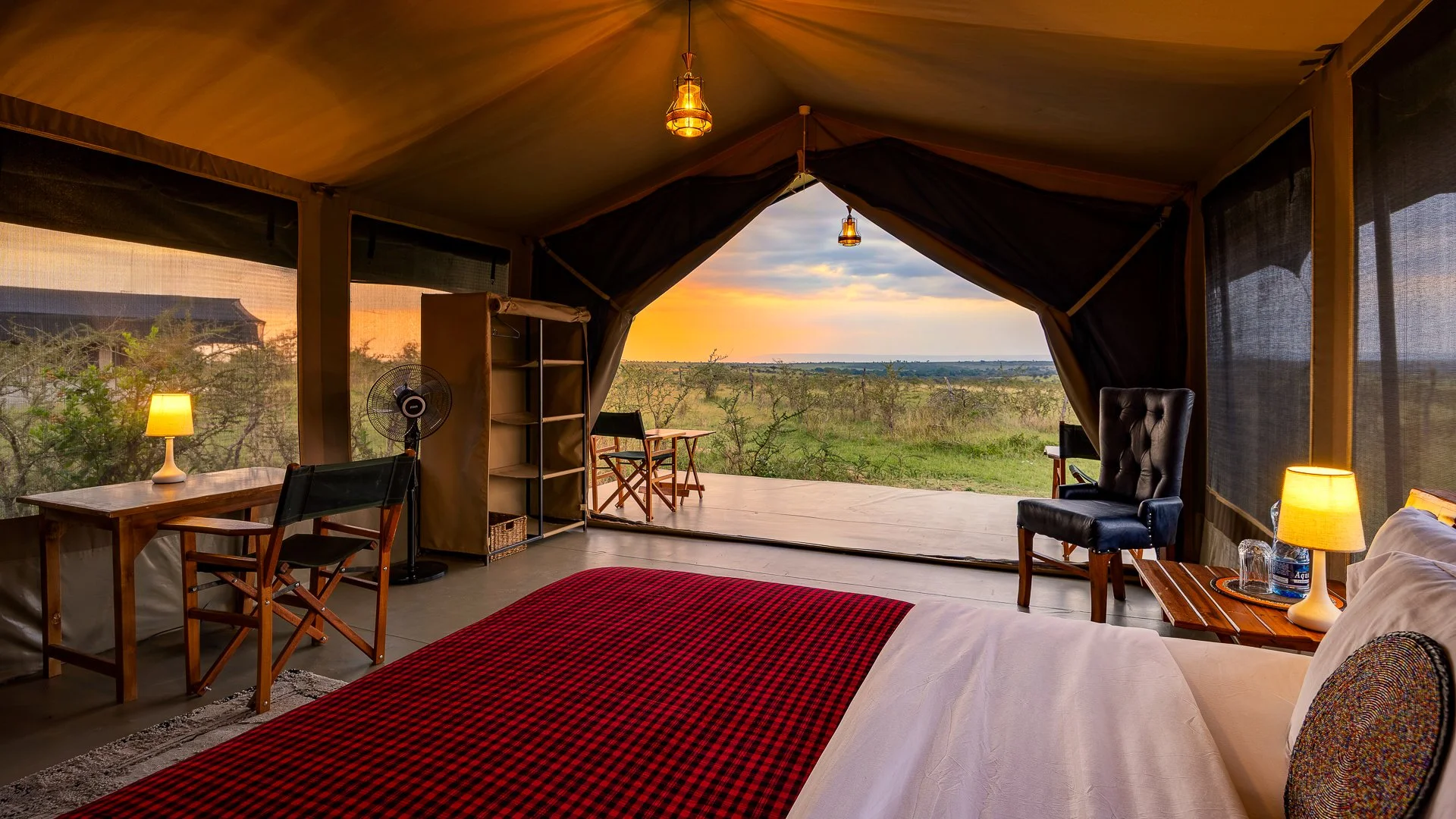
✅ Private single-occupancy luxury safari tent with private bathroom, flush toilet and shower.
✅ All meals and drinks whilst in camp (non-alcoholic)
✅ Private safari vehicle specially built for photography
✅ Very skilled and experienced Maasai driver/guide
✅ Park fee for Masai Mara National Reserve (200 USD per-person per-day)
✅ Transfers from/to Nairobi and the Maasai Mara
Cost Excludes:
❌ International Flights to Nairobi
❌ eTa / VISA (If Applicable)
❌ Travel Insurance
❌ Local guide gratuities
Wildlife Of The Mara
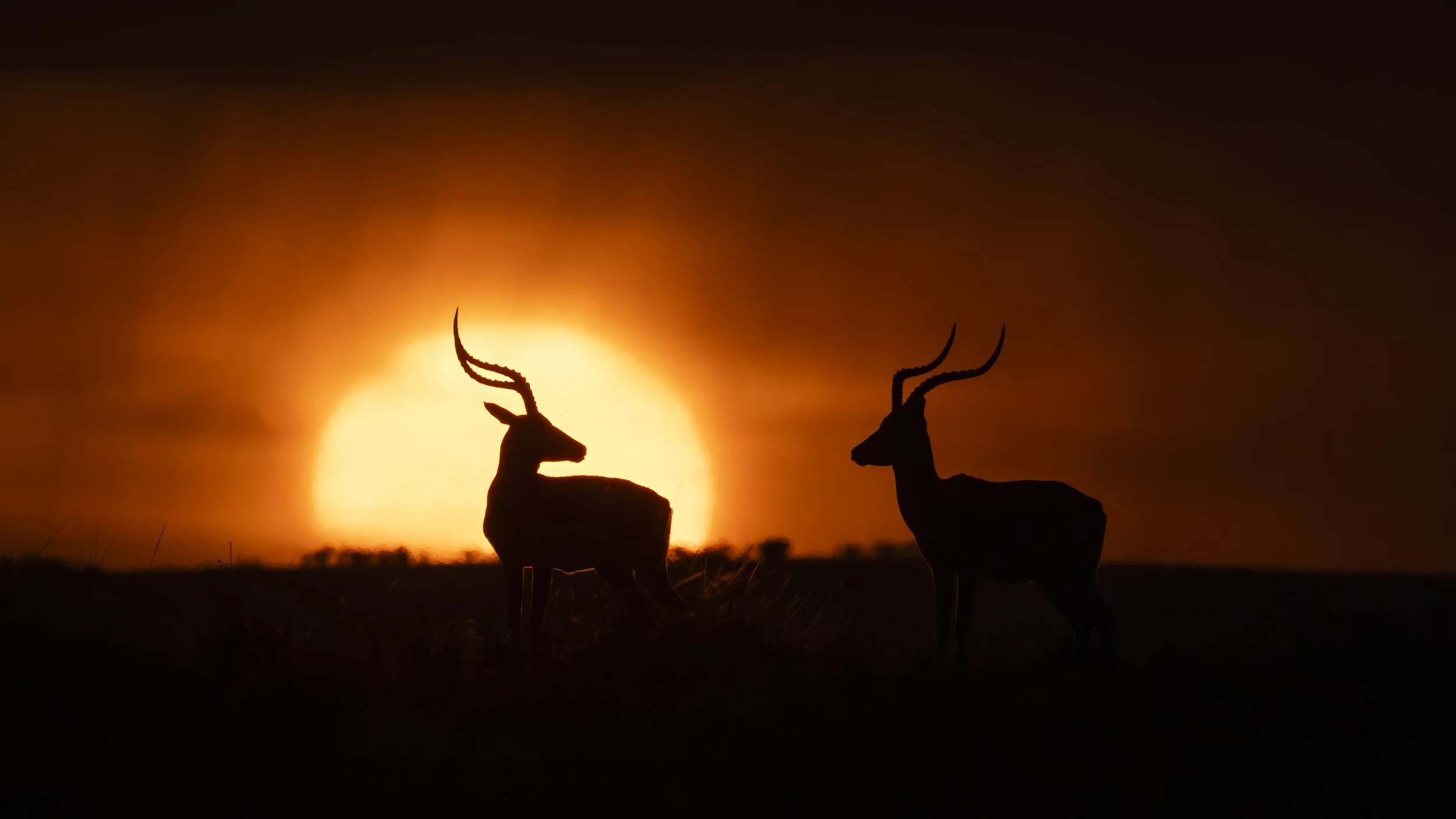
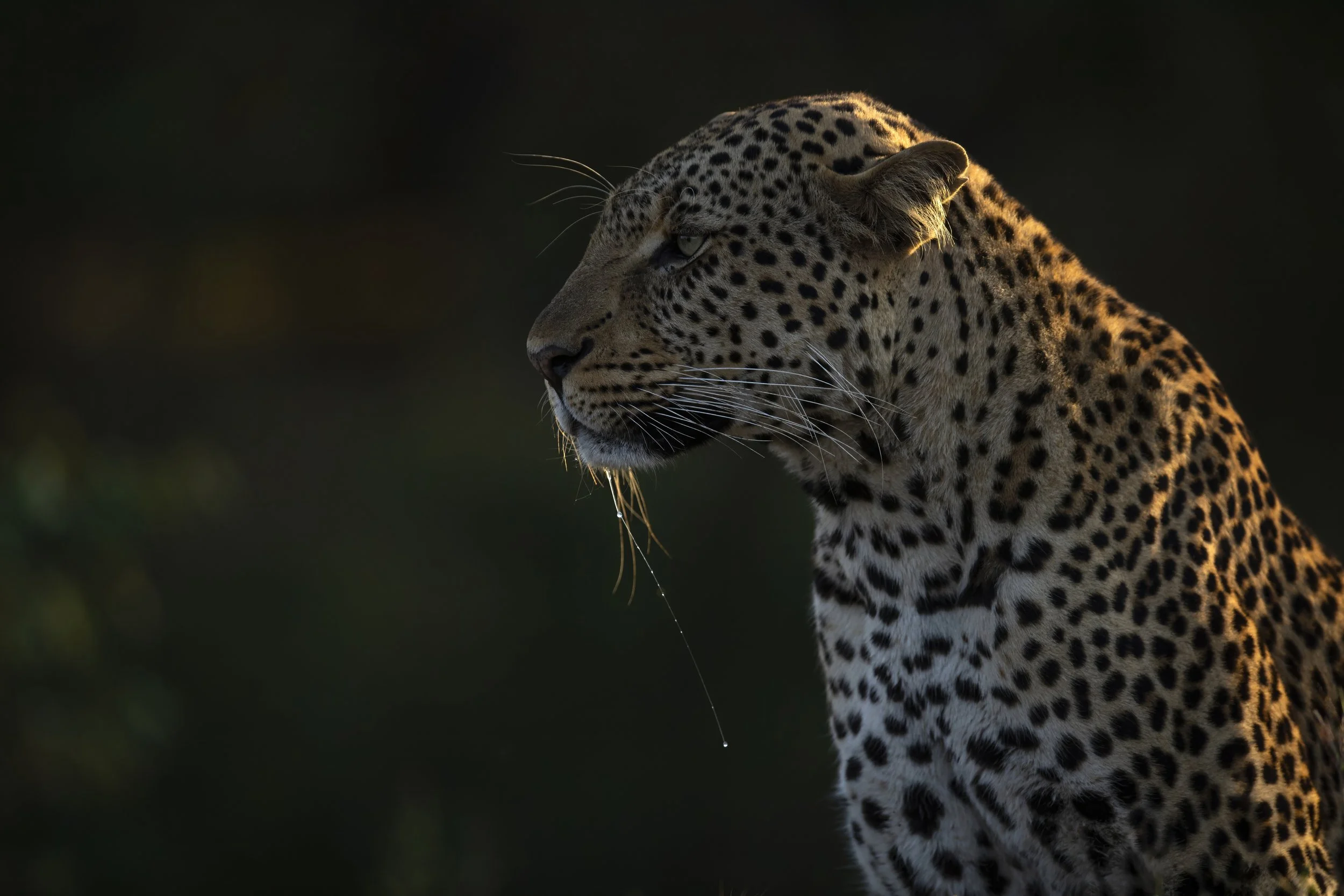
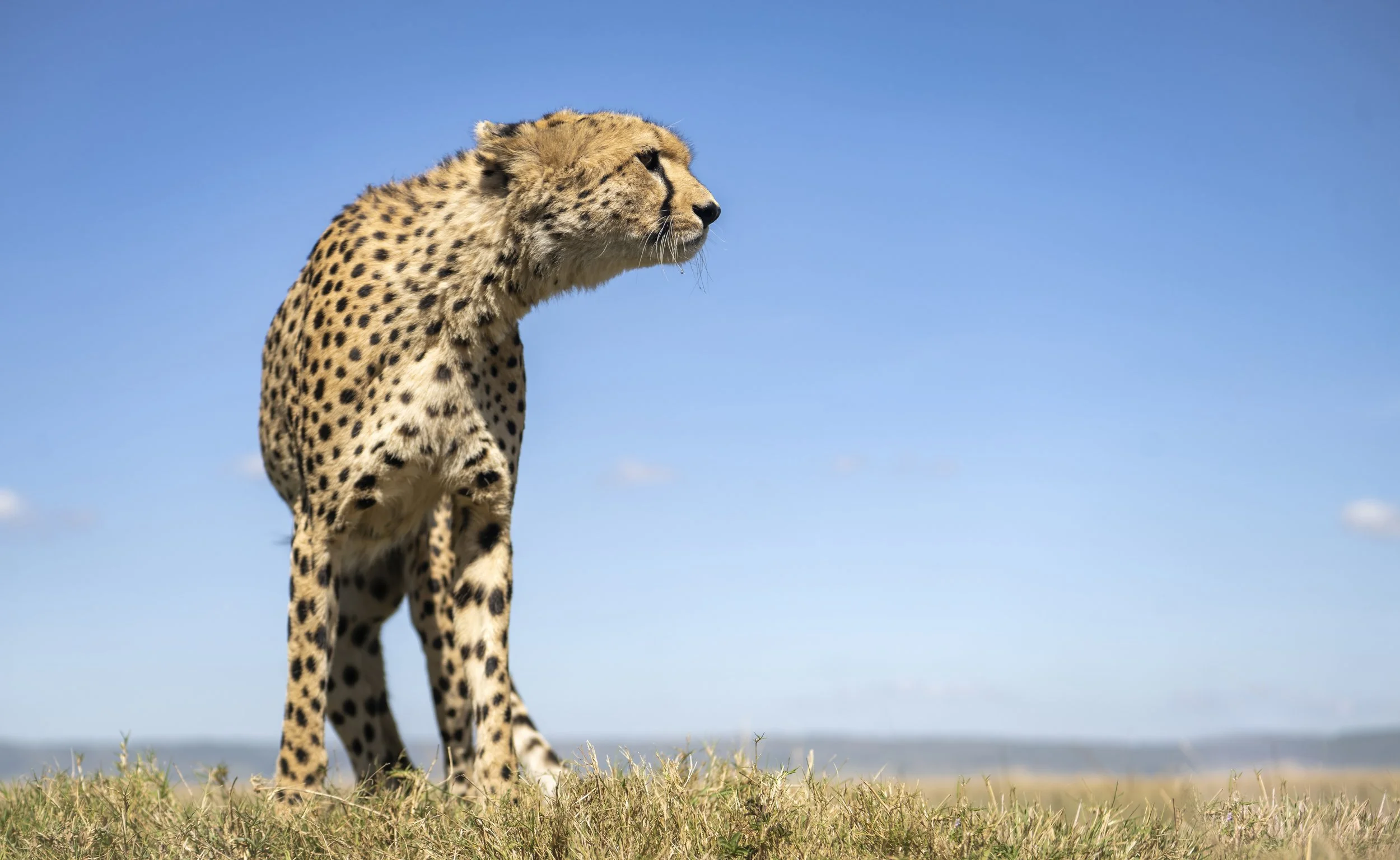
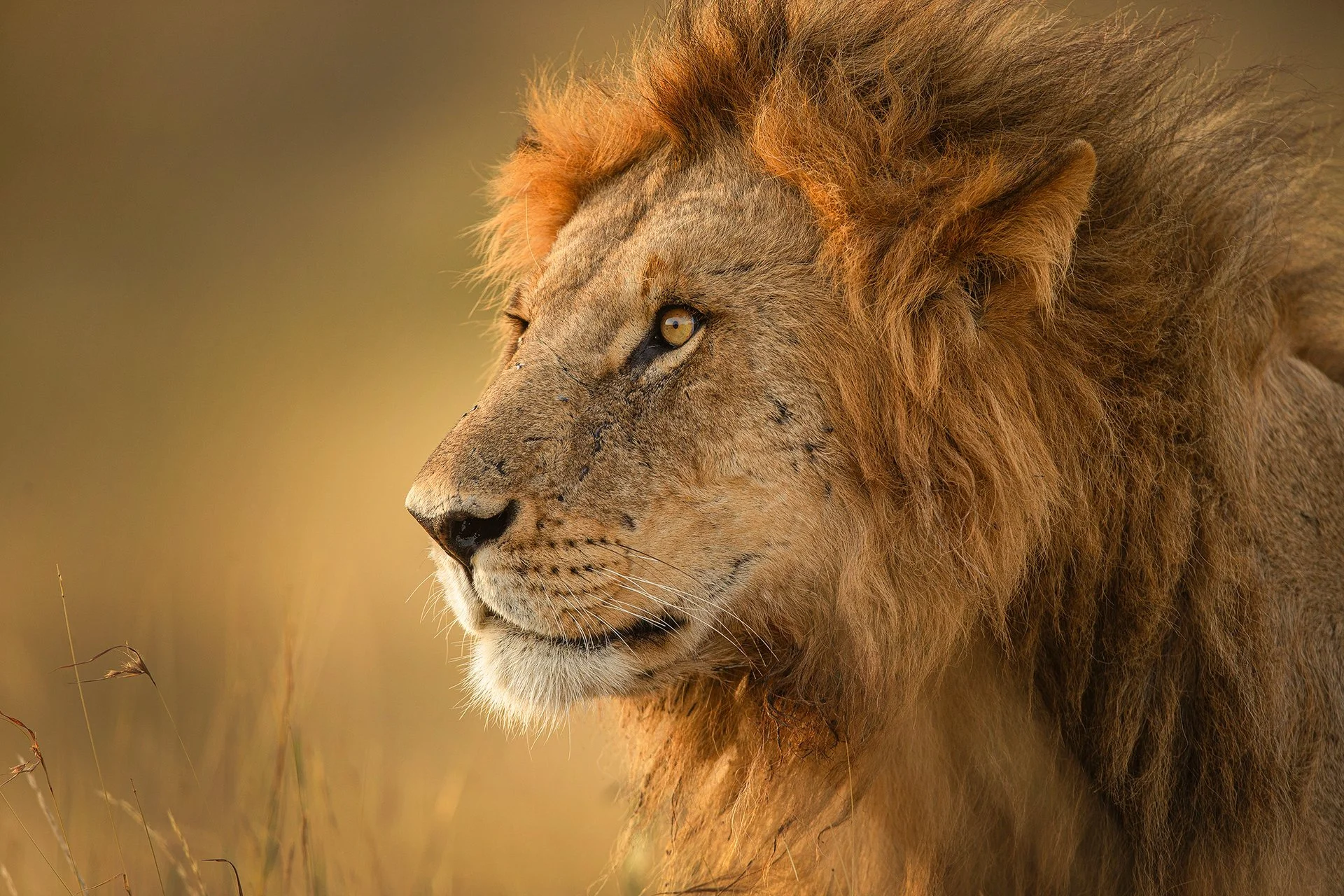
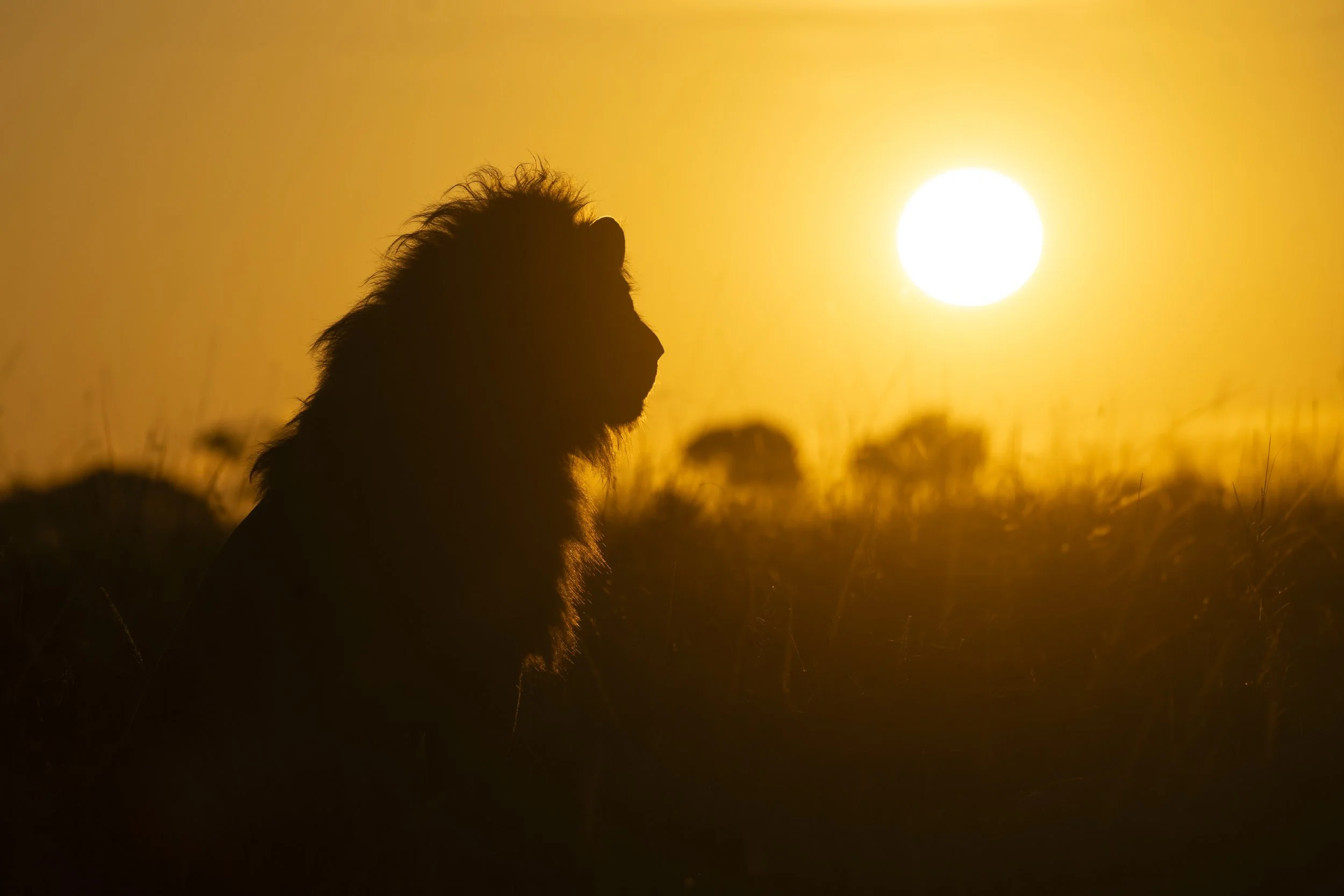
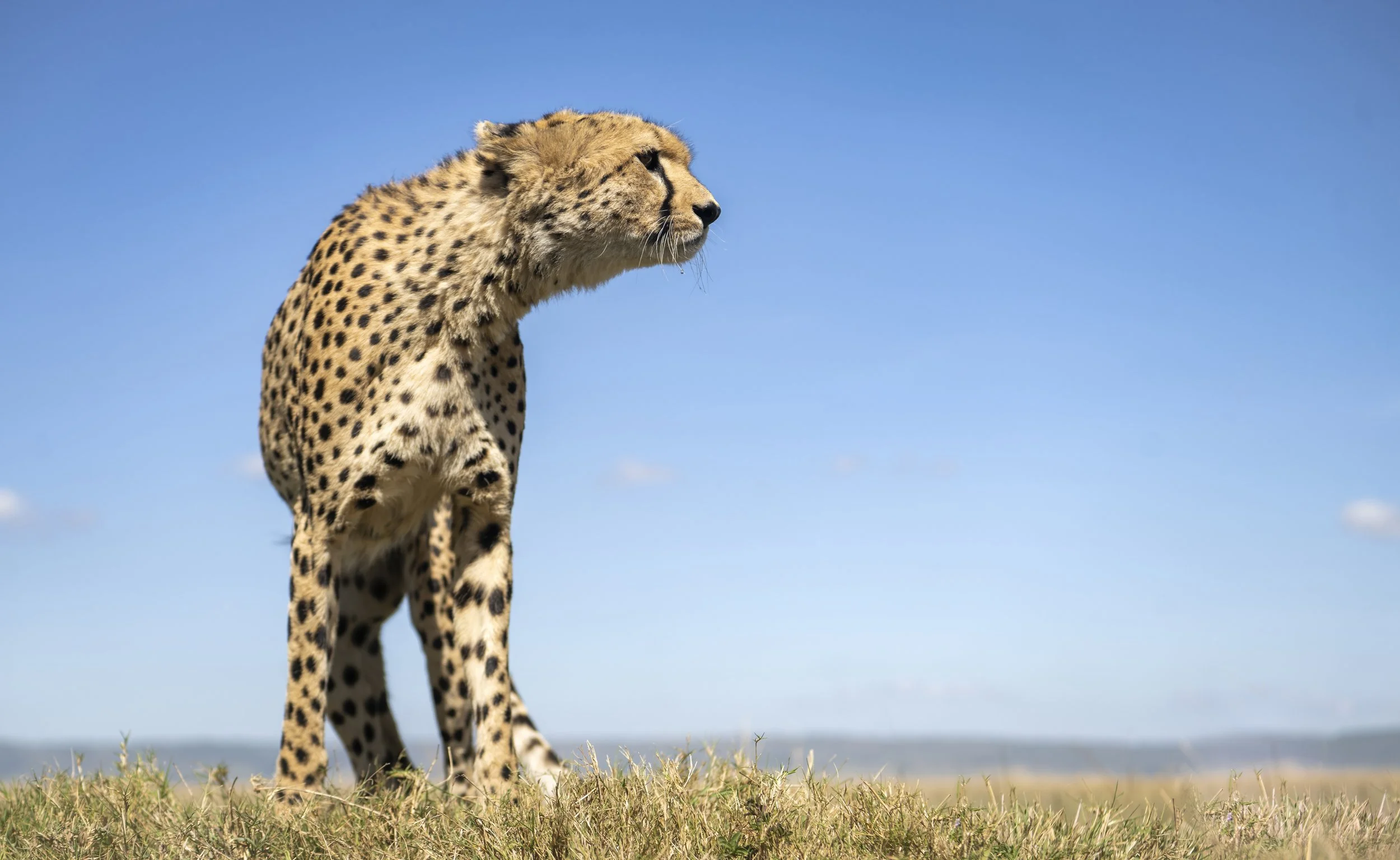
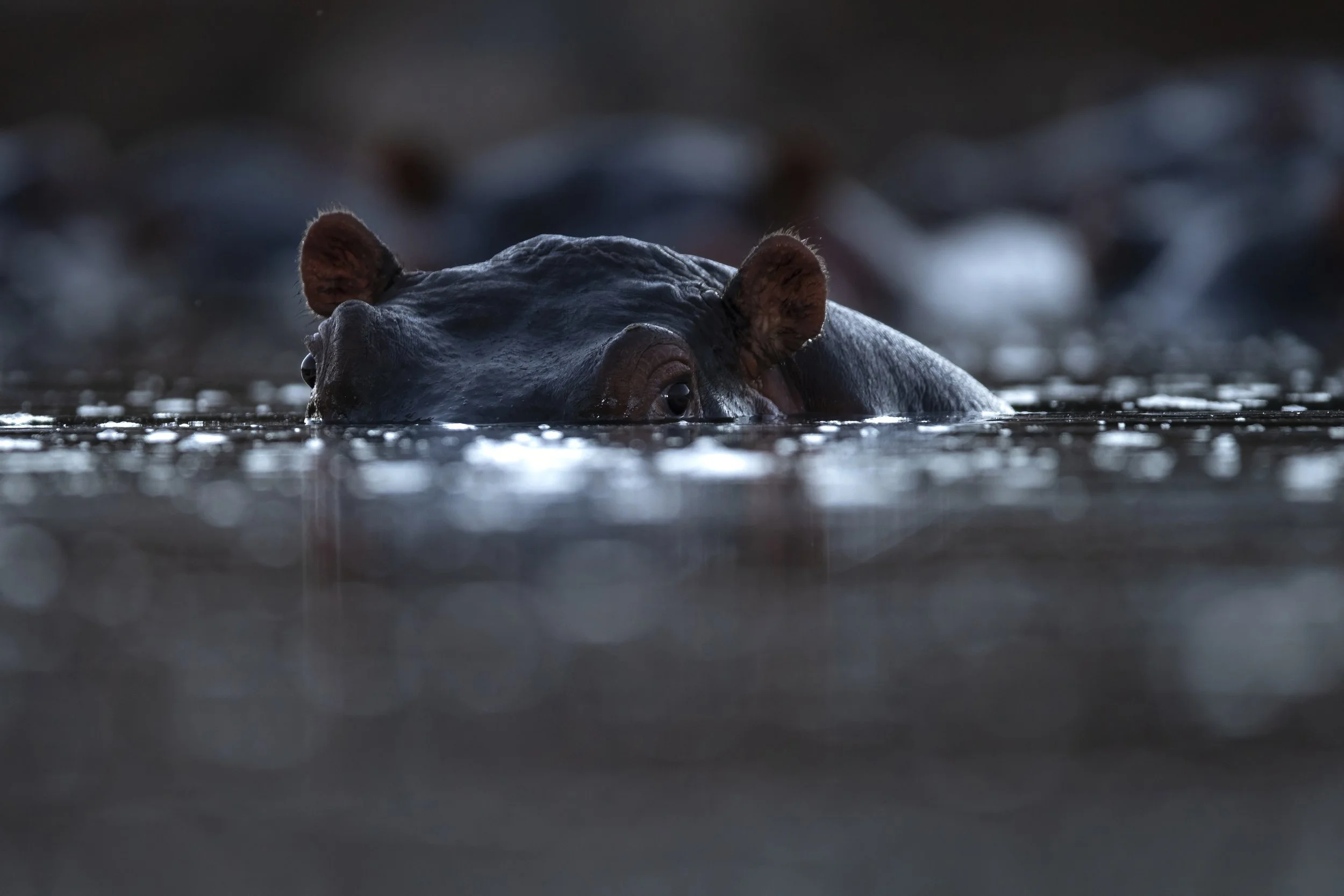
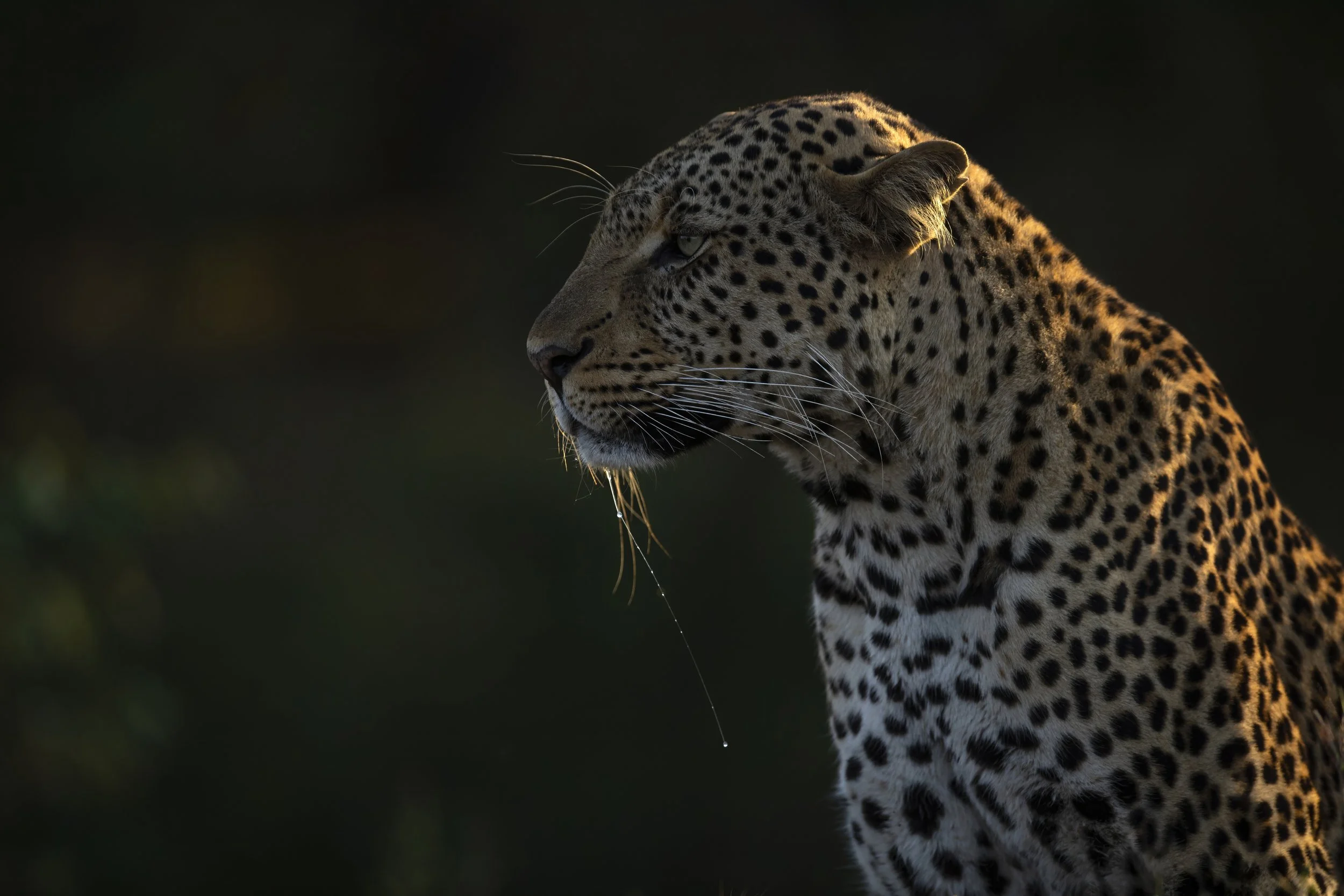
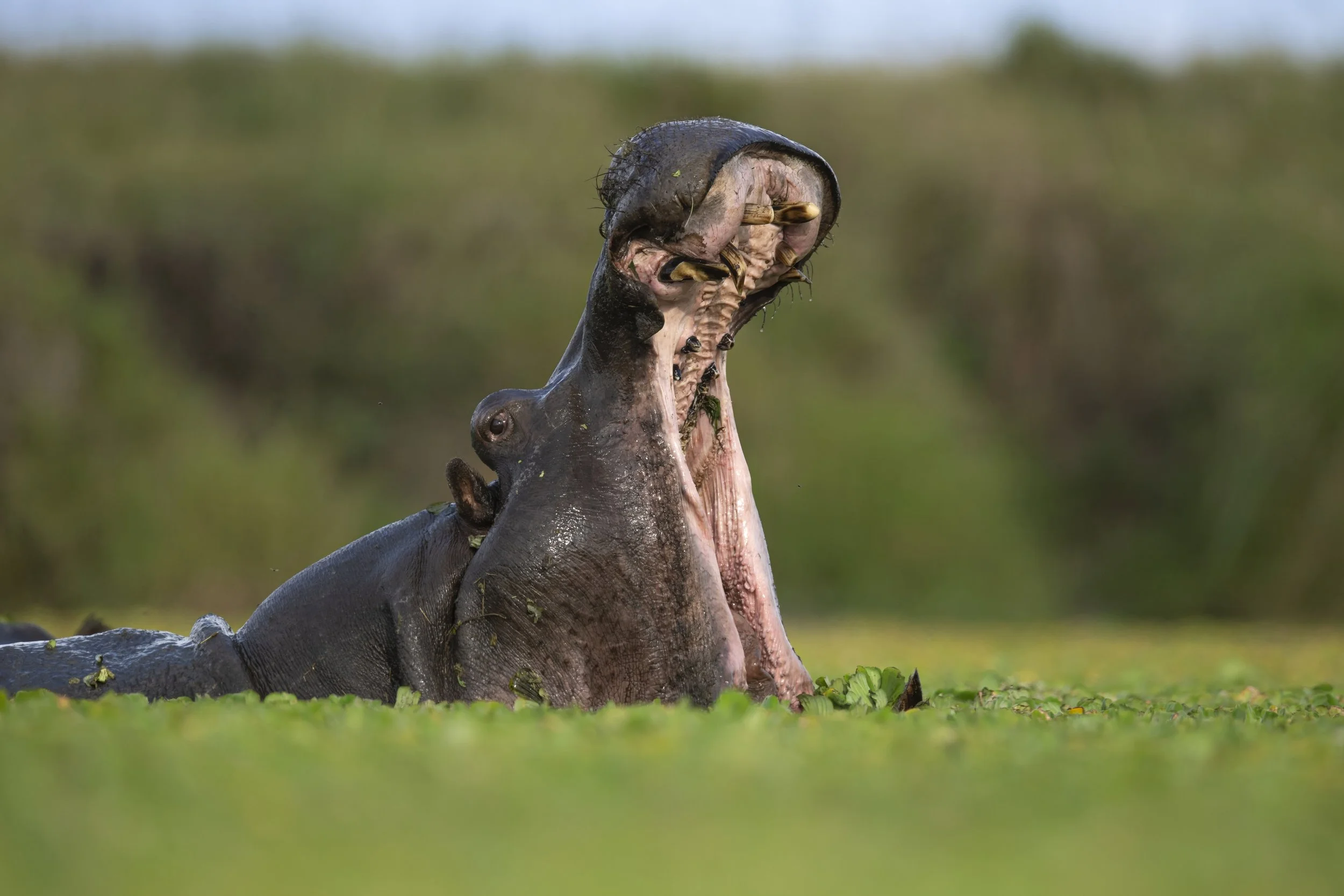
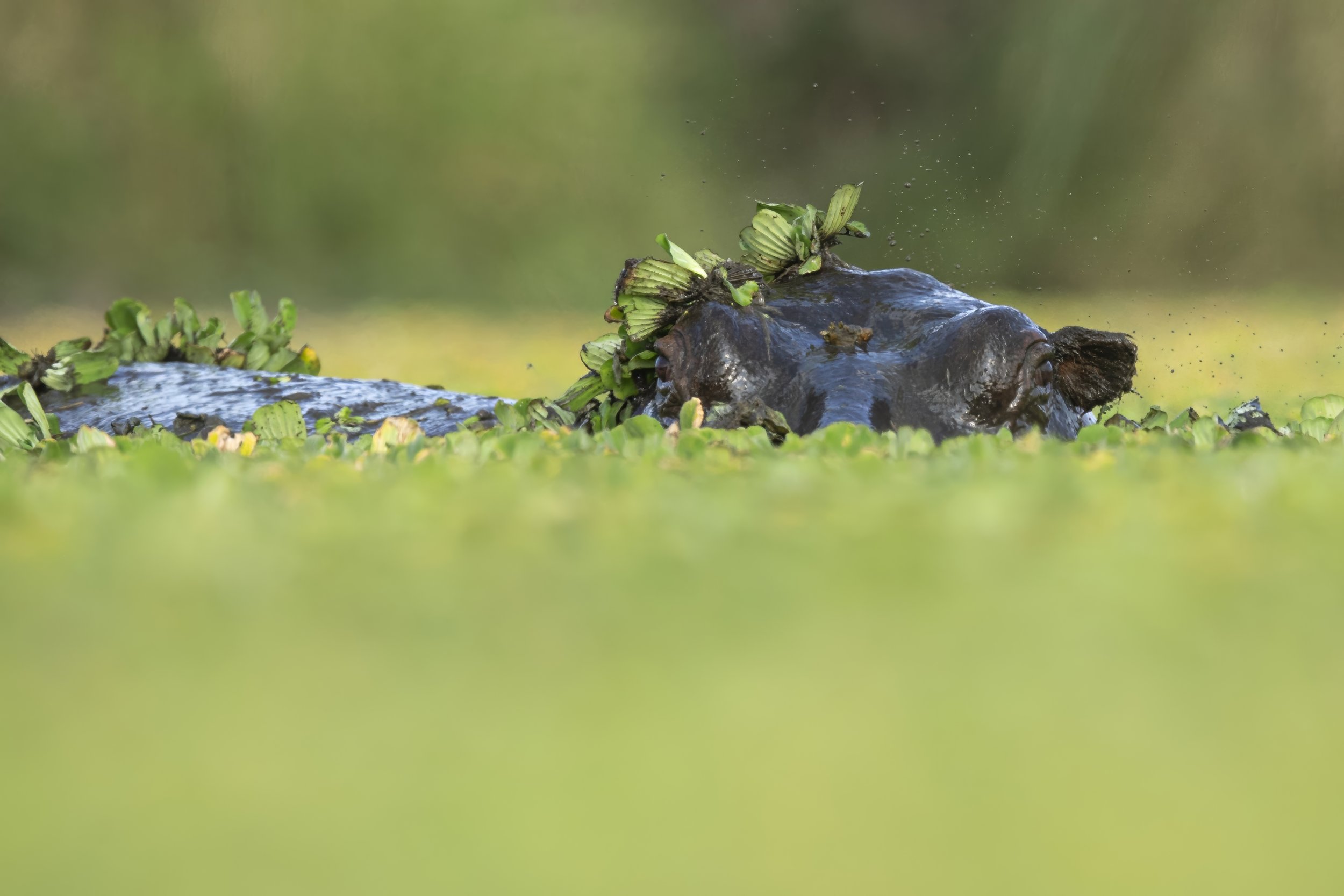
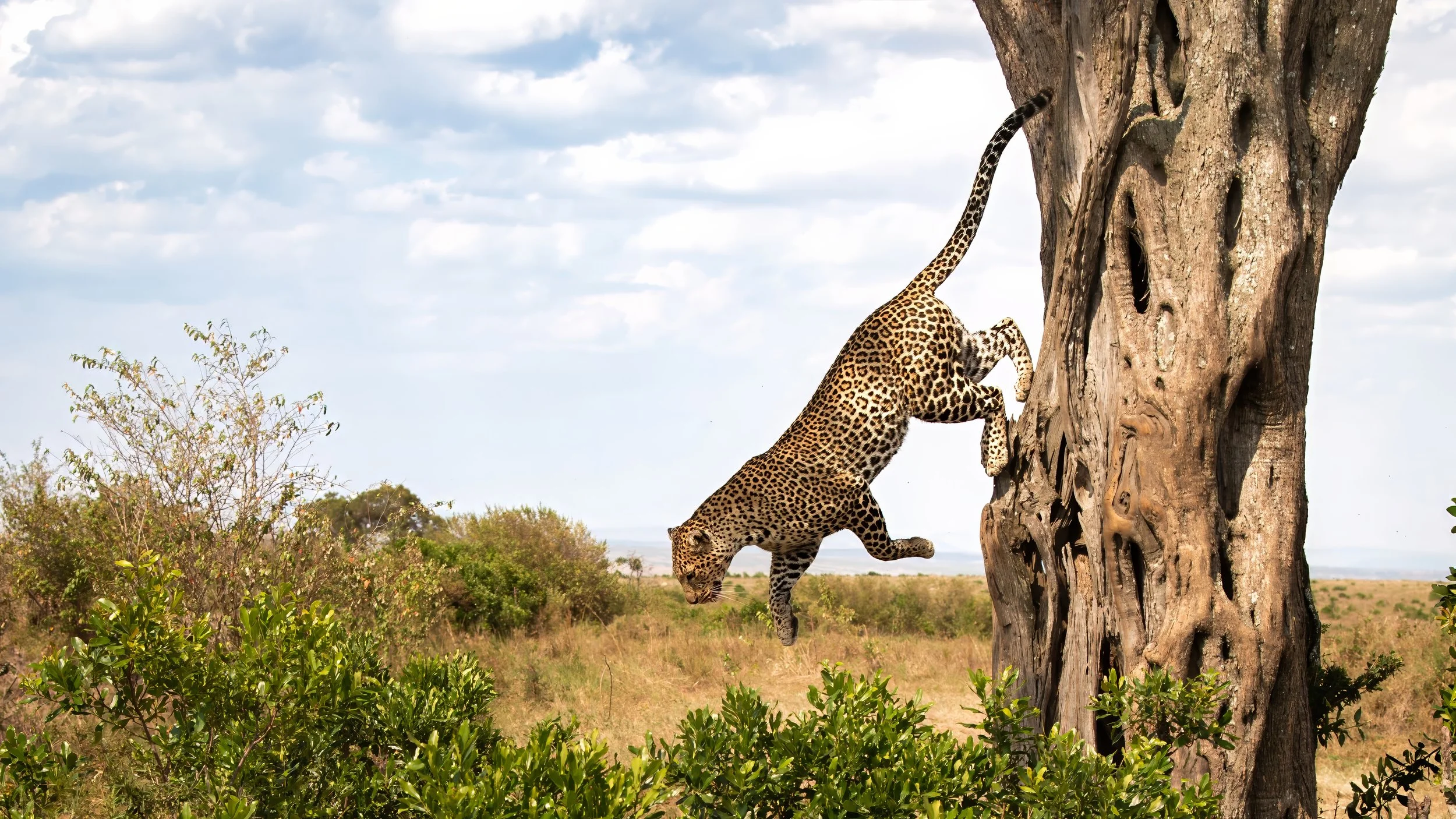
The Masai Mara is one of the world’s richest wildlife ecosystems, offering an extraordinary diversity of species and unforgettable encounters. Renowned for its exceptional population of big cats, the Mara is home to lions, leopards, and cheetahs, often seen hunting across the open plains. Vast herds of wildebeest, zebras, and gazelles dominate the savannah, joined by elephants, giraffes, buffalo, and eland moving gracefully through the landscape. Along the rivers, hippos and crocodiles thrive, while the skies are alive with raptors, vultures, and vibrant birdlife, from lilac-breasted rollers to secretary birds. This remarkable concentration of wildlife, set against sweeping grasslands and dramatic skies, creates one of the most dynamic and rewarding natural environments on the planet.
DAILY ITINERARY
-
Sunday 16th August – Arrival & Transfer to the Mara
For those arriving on international flights, you will typically arrive into Nairobi early in the morning following an overnight journey. While not essential, we strongly recommend an overnight stay in Nairobi prior to today’s travel. This provides a comfortable buffer between connections and ensures you are well rested and ready to begin the safari.
Today is primarily a travel day as we make our way to camp in the Masai Mara. There are two options for reaching the camp. Safari flights are strictly governed by weight restrictions, particularly when travelling with camera equipment. One of the great advantages of our chosen lodge is that it can be accessed by road, eliminating luggage weight limits. This is a popular option, and the journey itself is an experience, offering a fascinating transition from the bustle of Nairobi to the wide-open landscapes of the Mara, with endless sights along the way.
Alternatively, it is also possible to fly from Nairobi to the Mara–Olkiombo airstrip, located close to camp. Several daily scheduled flights operate with carriers such as SafariLink, making this a convenient and efficient option. Whichever method you choose, we will provide all necessary information and assist with timings to ensure a smooth and stress-free journey.
We aim to gather as a group at camp around midday. Upon arrival, lunch will be served before we head out for our first afternoon and evening game drive.
-
Monday 17th – Friday 21st August – Safari in the Masai Mara
Each day begins before sunrise as we depart for our first game drive of the day. As this is a photographer-only camp, everyone shares the same goals and understands the importance of patience, often waiting quietly for behaviour to unfold.
Rather than returning to camp for breakfast, we will remain out on the savannah, with each guest provided with a prepared breakfast pack to enjoy in the field during the best light of the morning. During the middle of the day, when the light is at its harshest, we may either seek out animals resting in the shade or return to camp. This time can be used to back up images, enjoy food and refreshments, or simply relax in your tent while taking in the sounds and atmosphere of the Mara.
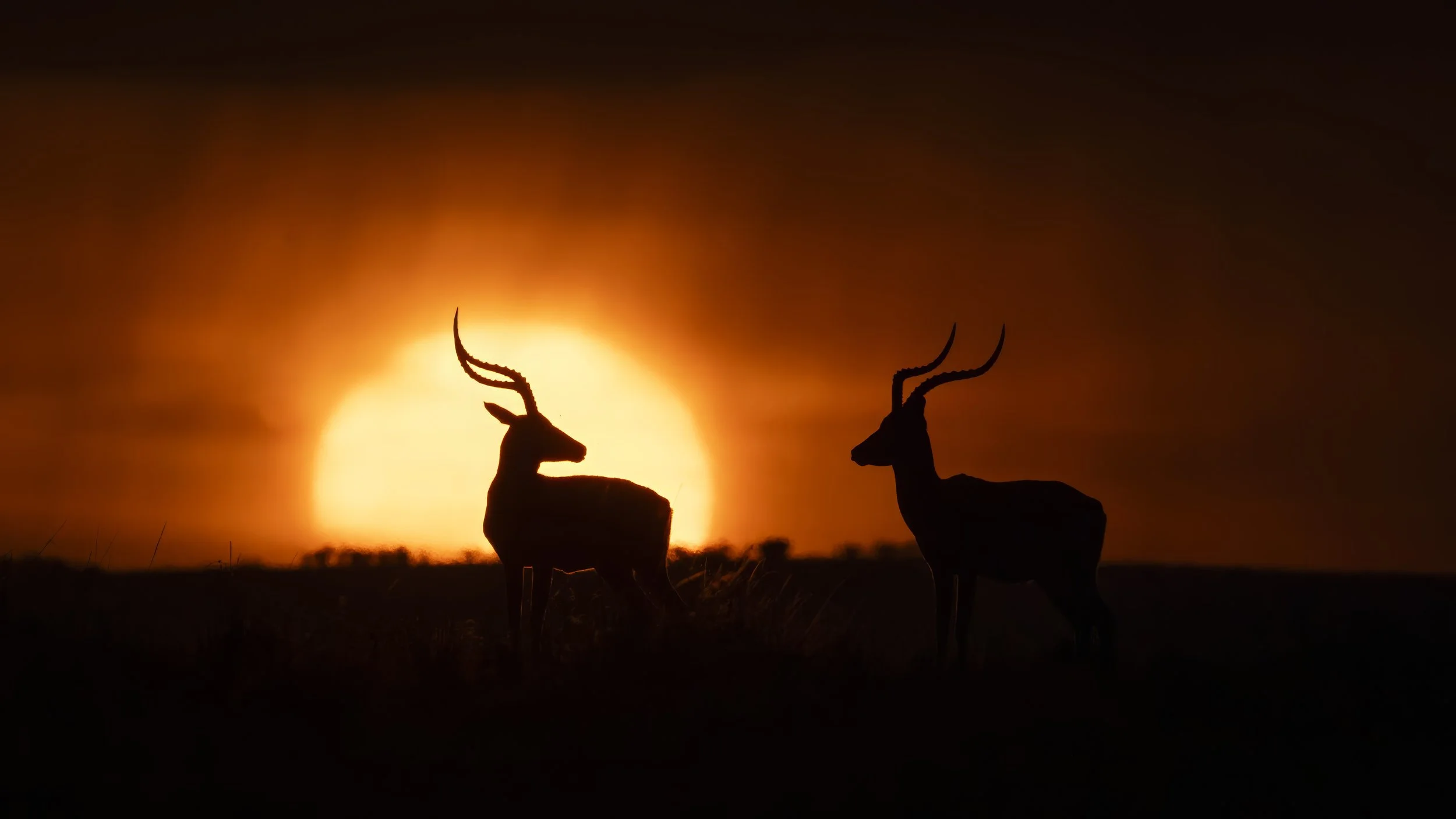
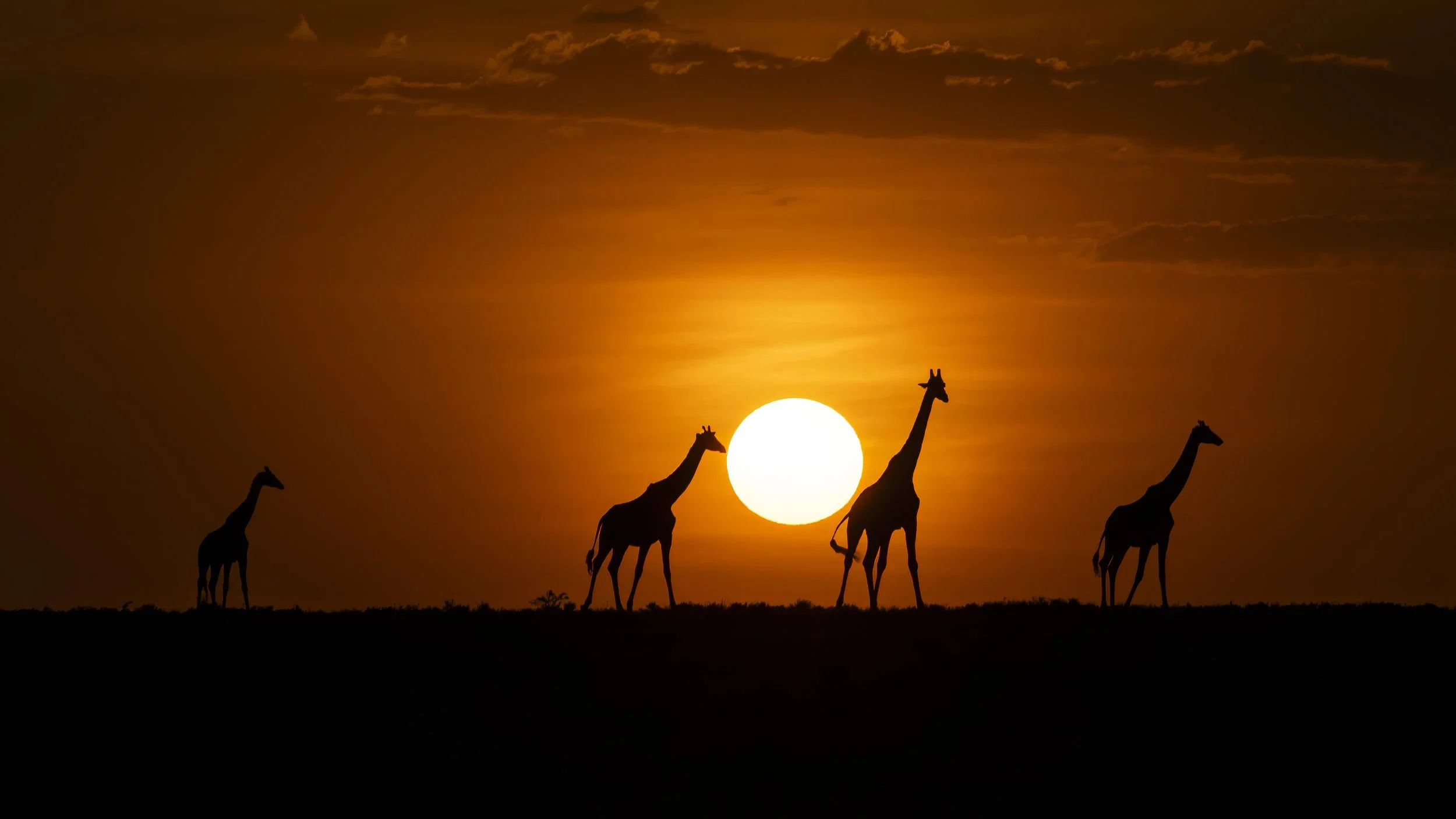
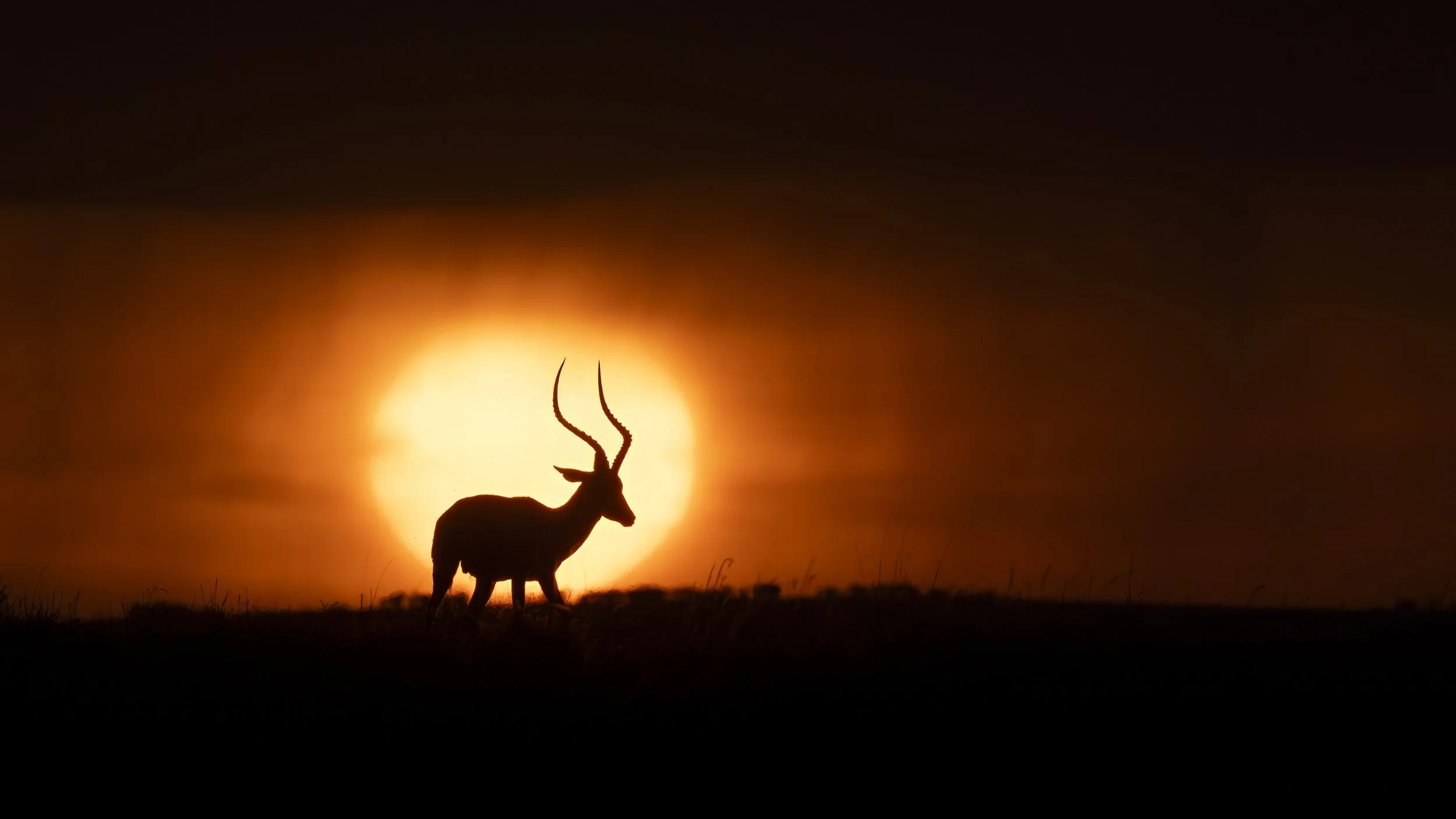
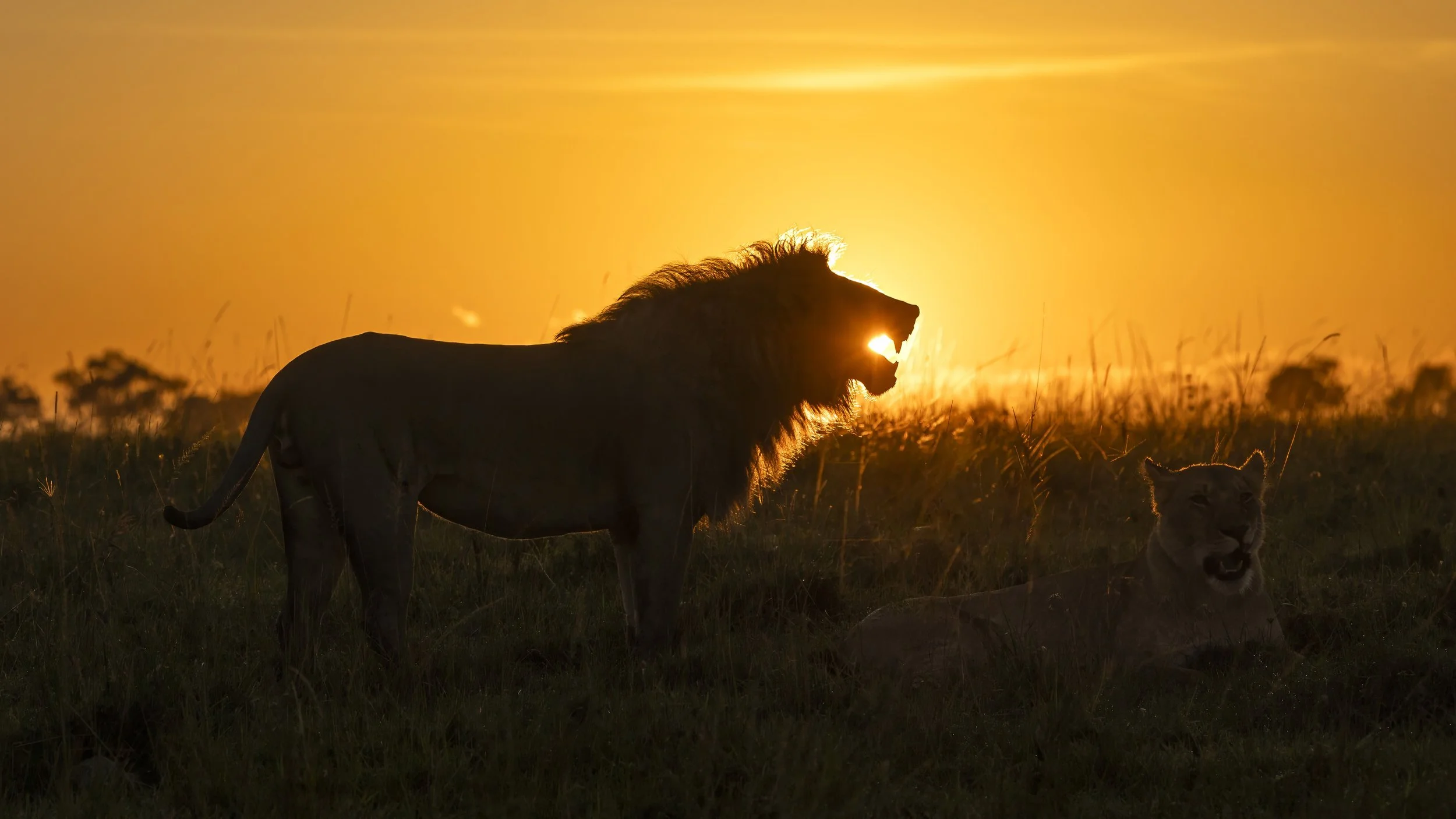
At approximately 15:30, we head out once again for our afternoon game drive, remaining in the field until sunset. These final hours are dedicated to capturing animals set against the vast open plains, creating dramatic silhouettes and striking images as the sun dips below the horizon.
After dark, we return to camp for dinner and time to relax together as a group. Roger and Kyle will host informal photo talks and image-processing tutorials during the evenings.
Please note: As a private group of photographers, we have the flexibility to plan each day based on current conditions, including weather, temperatures, and wildlife activity. On some days, we may choose to remain in the field from dawn until dusk, in which case both breakfast and lunch will be prepared by the camp staff for us to enjoy while out on safari.
-
Saturday 22nd August – Departure from the Mara
Sadly, today marks our final day in the Masai Mara. After one last morning game drive, we return to camp for lunch. There will be time to freshen up and complete any final packing before departing camp in the early afternoon for the journey back to Nairobi.
It is possible to connect with international flights later in the evening; however, to allow for a comfortable buffer and ensure a relaxed end to the trip, we once again recommend an overnight stay near the airport, with international departures scheduled for the 23rd.
Frequently Asked Questions
-
For a photographic safari in the Masai Mara, a flexible and reliable camera setup will ensure you’re ready for a wide variety of wildlife encounters and lighting conditions.
A DSLR or mirrorless camera with fast, accurate autofocus is ideal. Many photographers choose to bring two camera bodies to avoid changing lenses in dusty conditions and to quickly switch between focal lengths. A telephoto lens in the 300–600mm range is strongly recommended for photographing wildlife at a distance, particularly during river crossings and for smaller or more cautious animals. A mid-range zoom (such as 70–200mm) is extremely versatile for larger mammals, behavioural interactions, and closer encounters, while a wide-angle lens (24–70mm or similar) is useful for environmental portraits, landscapes, and dramatic skies.
Fast lenses with good low-light performance are beneficial for early morning and late afternoon game drives. Be sure to pack plenty of memory cards, spare batteries, and a reliable image backup solution such as a laptop or portable hard drive, as photographic opportunities are frequent and fast-paced.
Tripods are generally impractical on safari vehicles, but a bean bag is highly recommended for stabilising longer lenses from the vehicle. Dust protection, lens cloths, and a weather-resistant camera bag will help protect your equipment in the Mara’s dry conditions.
Most importantly, bring equipment you are comfortable using. Familiarity with your gear will allow you to focus on composition, behaviour, and storytelling rather than technical settings—often making the biggest difference to your images.
-
For a safari in the Masai Mara in August, comfort, practicality, and layering are key. August falls within the dry season, with cool early mornings and evenings and warm, sunny days.
Lightweight, neutral-coloured clothing (khaki, beige, olive, or muted greens) is ideal, as it blends into the environment and avoids attracting insects. Breathable long-sleeved shirts and lightweight trousers are recommended to provide sun protection and warmth during early game drives, while also offering some protection from dust.
Early mornings can be surprisingly cool, especially on open safari vehicles, so be sure to pack a warm fleece or insulated jacket, along with a lightweight windproof layer. By mid-morning, temperatures rise and layers can easily be removed. A wide-brimmed hat or cap, sunglasses, and high-SPF sunscreen are essential for daytime sun protection.
Comfortable, closed-toe footwear is sufficient—there is very little walking on safari, so sturdy trainers or lightweight walking shoes are ideal. Thick socks are useful for cooler mornings. In the evenings, casual, comfortable clothing is perfectly acceptable around camp.
Additional useful items include a light scarf or buff for warmth and dust, sleepwear suitable for cool nights, and a small daypack for personal items in the vehicle. Laundry facilities are often available at camps, allowing you to pack lighter.
Overall, think practical, comfortable, and adaptable—clothing that allows you to stay warm at dawn, cool during the day, and relaxed in the evenings.
-
Although our camp is located in a remote area, the lodge staff are incredibly accommodating and happy to cater to any specific dietary requirements.
Prior to departure, all guests will be asked to complete a general contact form. This provides an opportunity to inform us of any dietary needs, allergies, or medical conditions we should be aware of to ensure your comfort and safety throughout the tour.
-
In August, the Masai Mara is at its most dramatic, as the Great Migration reaches its peak and the ecosystem is teeming with wildlife. Visitors can expect to witness vast herds of wildebeest and zebra, often numbering in the tens of thousands, moving across the plains and gathering at river crossings in search of fresh grazing.
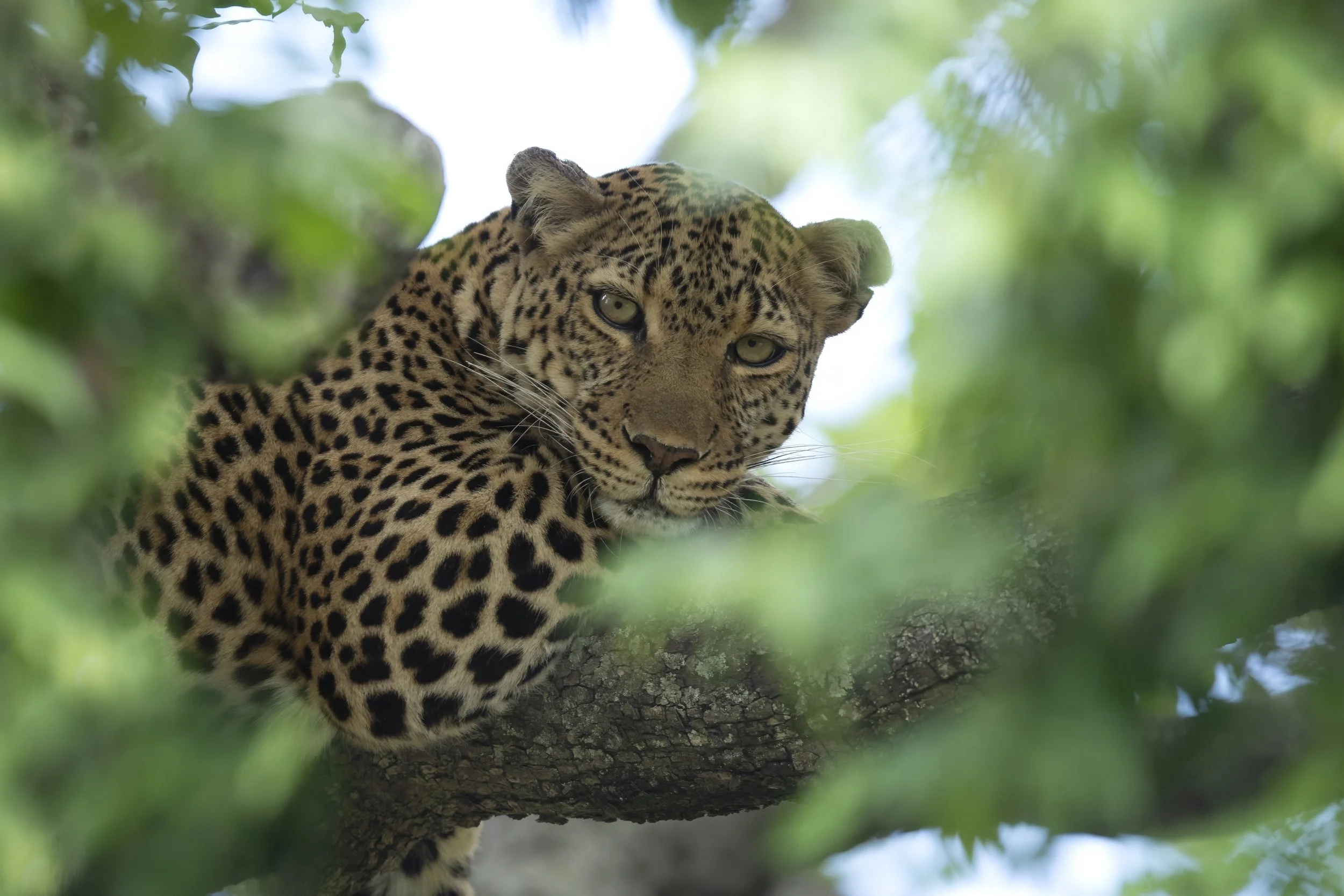
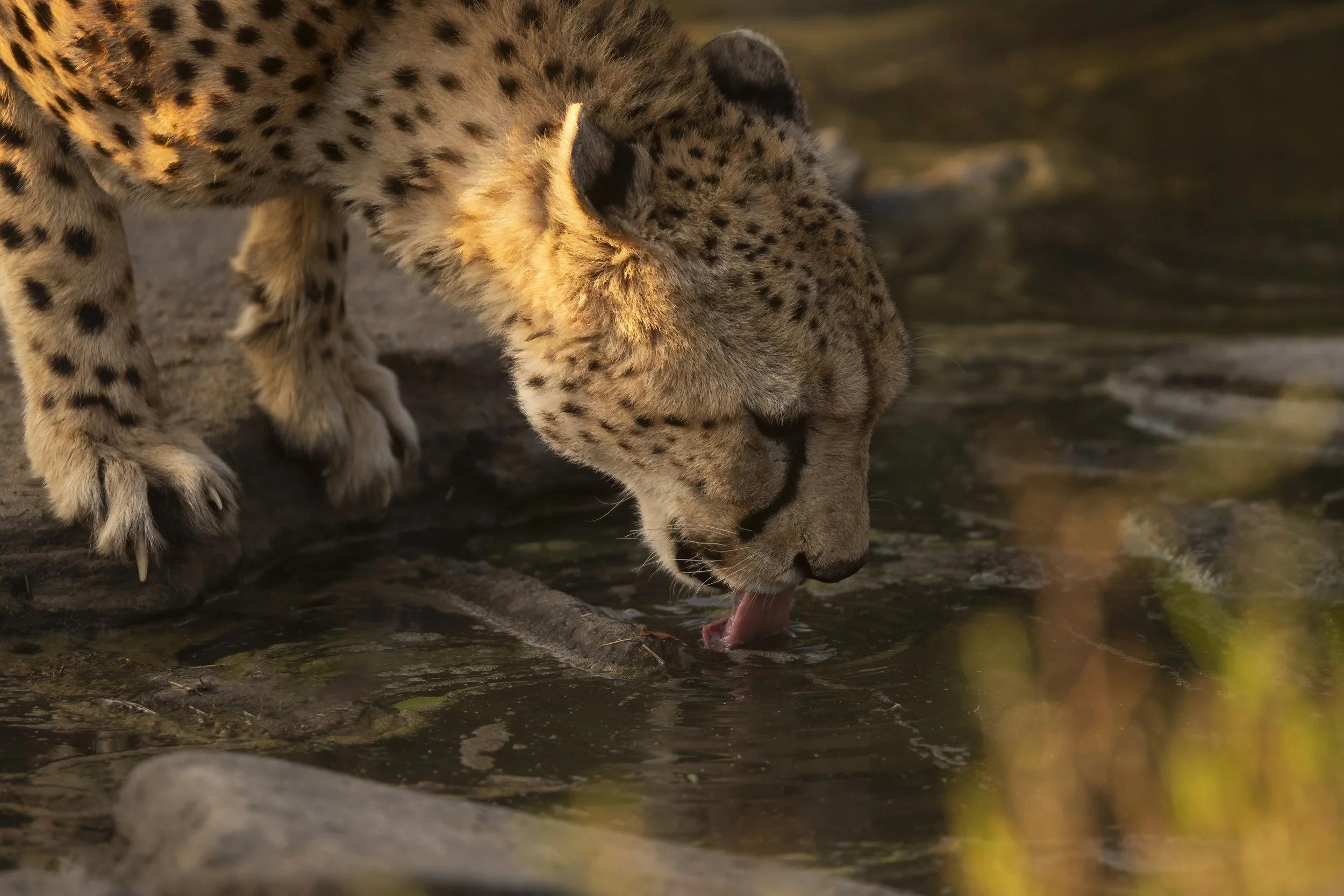
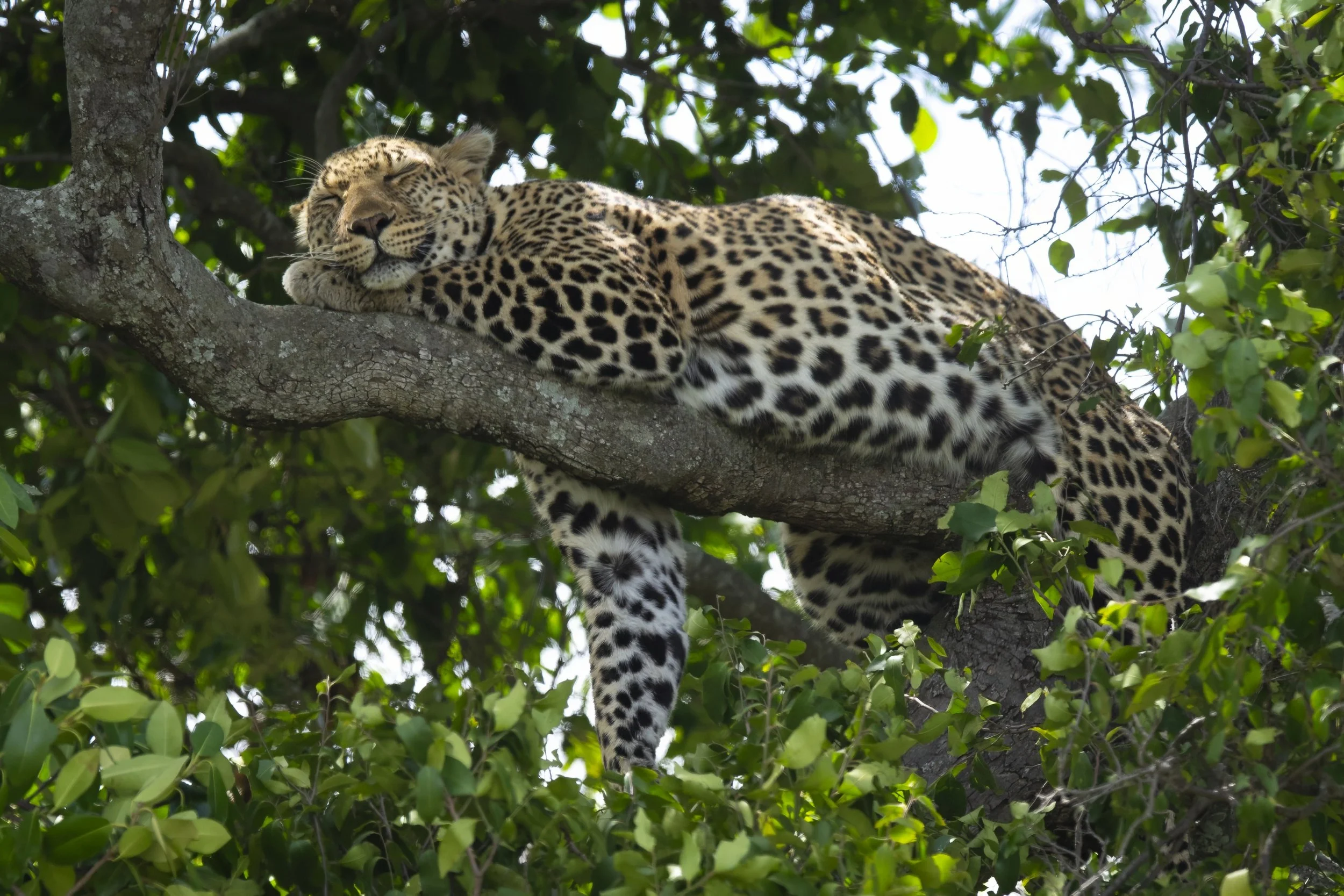
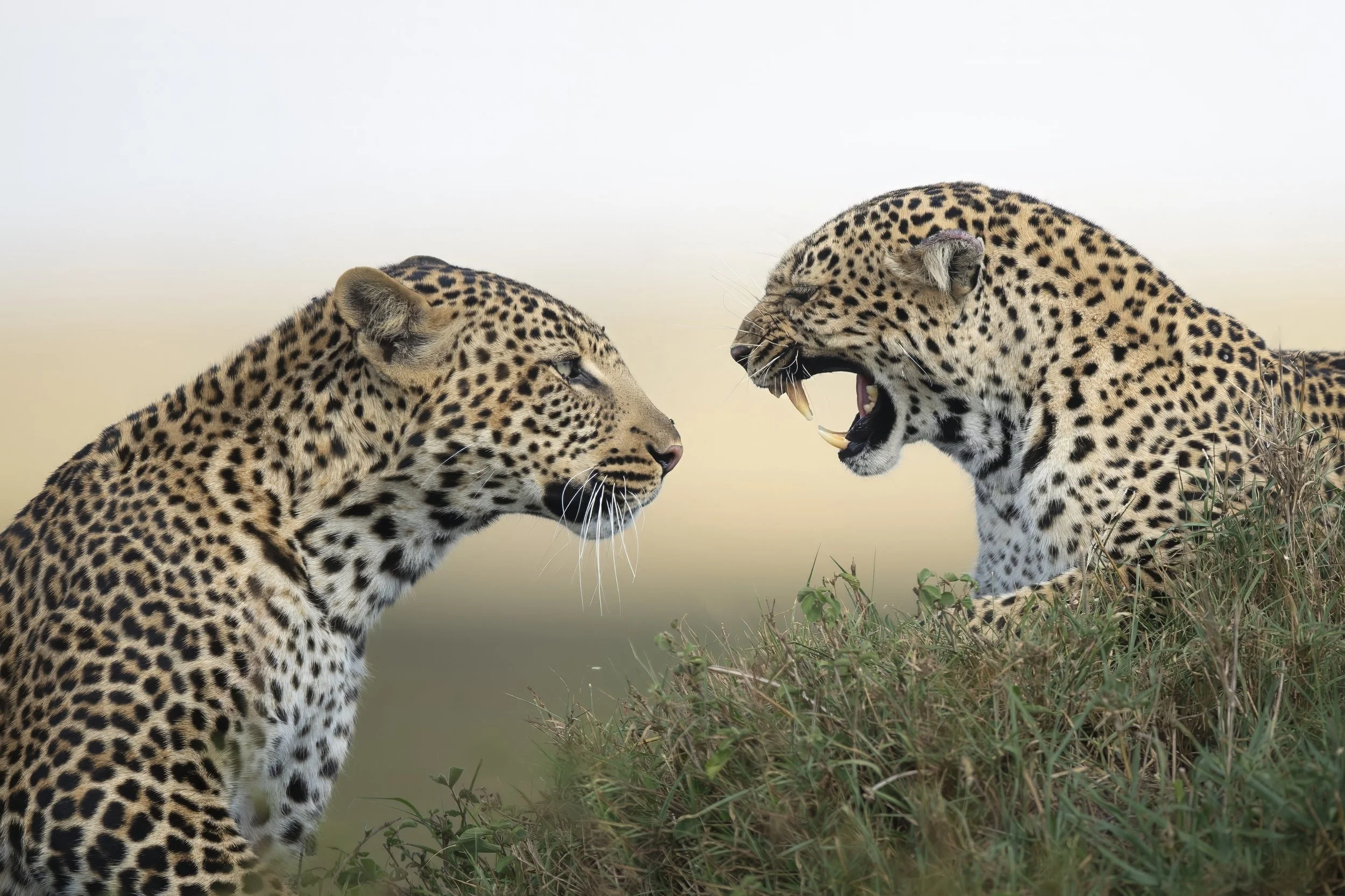
This abundance of prey attracts an exceptional concentration of predators. Lions are frequently seen, often hunting or resting near migration routes, while cheetahs take advantage of the open plains for high-speed chases. Leopards are also regularly encountered, particularly along riverine areas and in larger trees. Along the rivers themselves, Nile crocodiles and hippos are a constant presence, especially during the famous crossings.
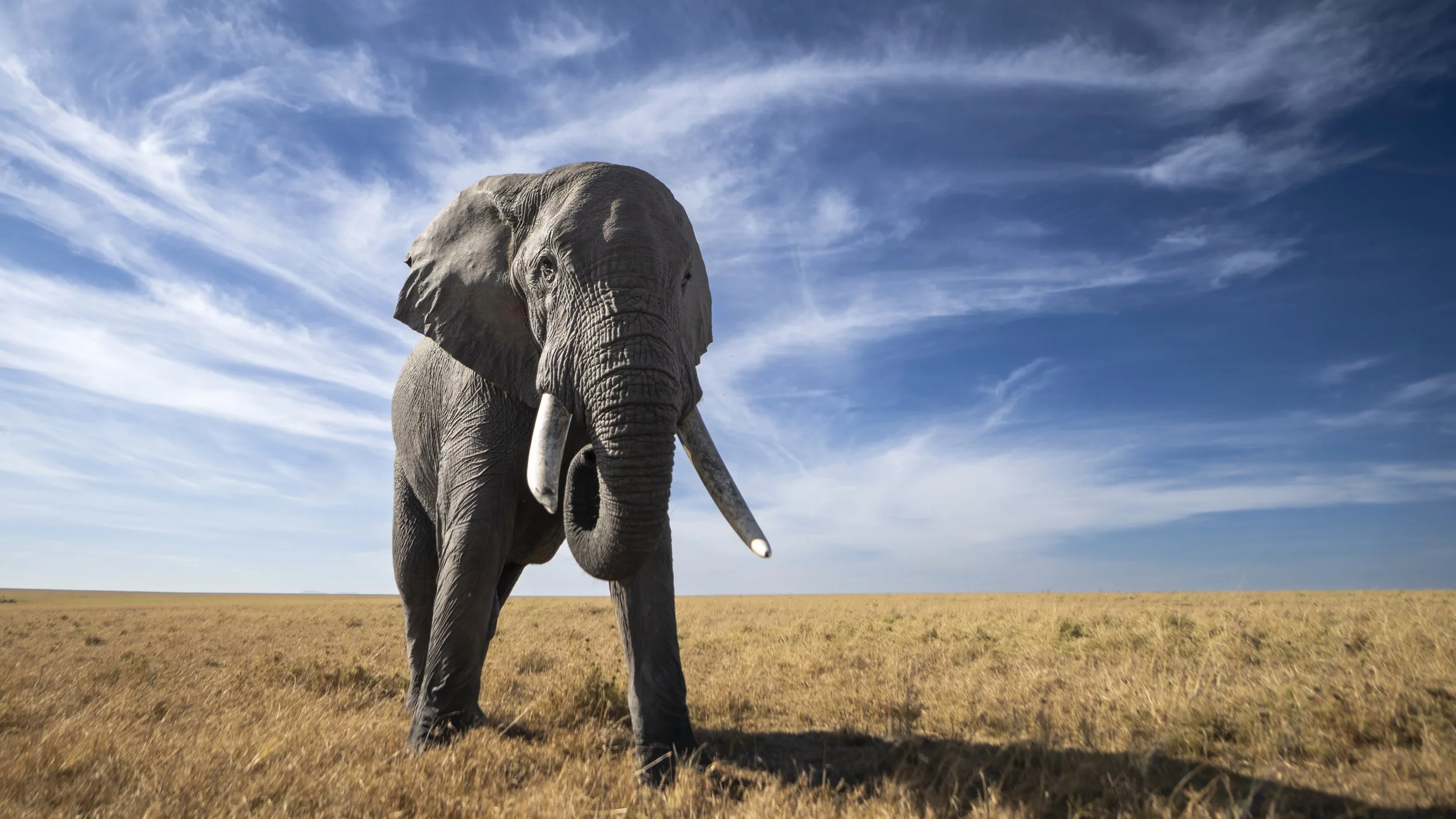
Beyond the migration, the Mara’s resident wildlife remains incredibly rich. You can expect to see elephants, giraffes, buffalo, topi, eland, impala, and gazelles, as well as hyenas and jackals following the herds. August is also an excellent time for birdlife, with raptors, vultures, storks, and colourful savannah species taking advantage of the seasonal activity.
The combination of migrating herds, active predators, and clear, dry-season conditions makes August one of the very best times to experience — and photograph — the wildlife of the Masai Mara.
-
Fitness level: Basic
This tour requires only a basic level of fitness. The majority of activities take place from safari vehicles, with very little walking involved. Guests should, however, be comfortable spending extended periods in the vehicle, as for safety reasons it is often not possible to exit while on safari.
The Team Behind Your Adventure

Kyle Moore
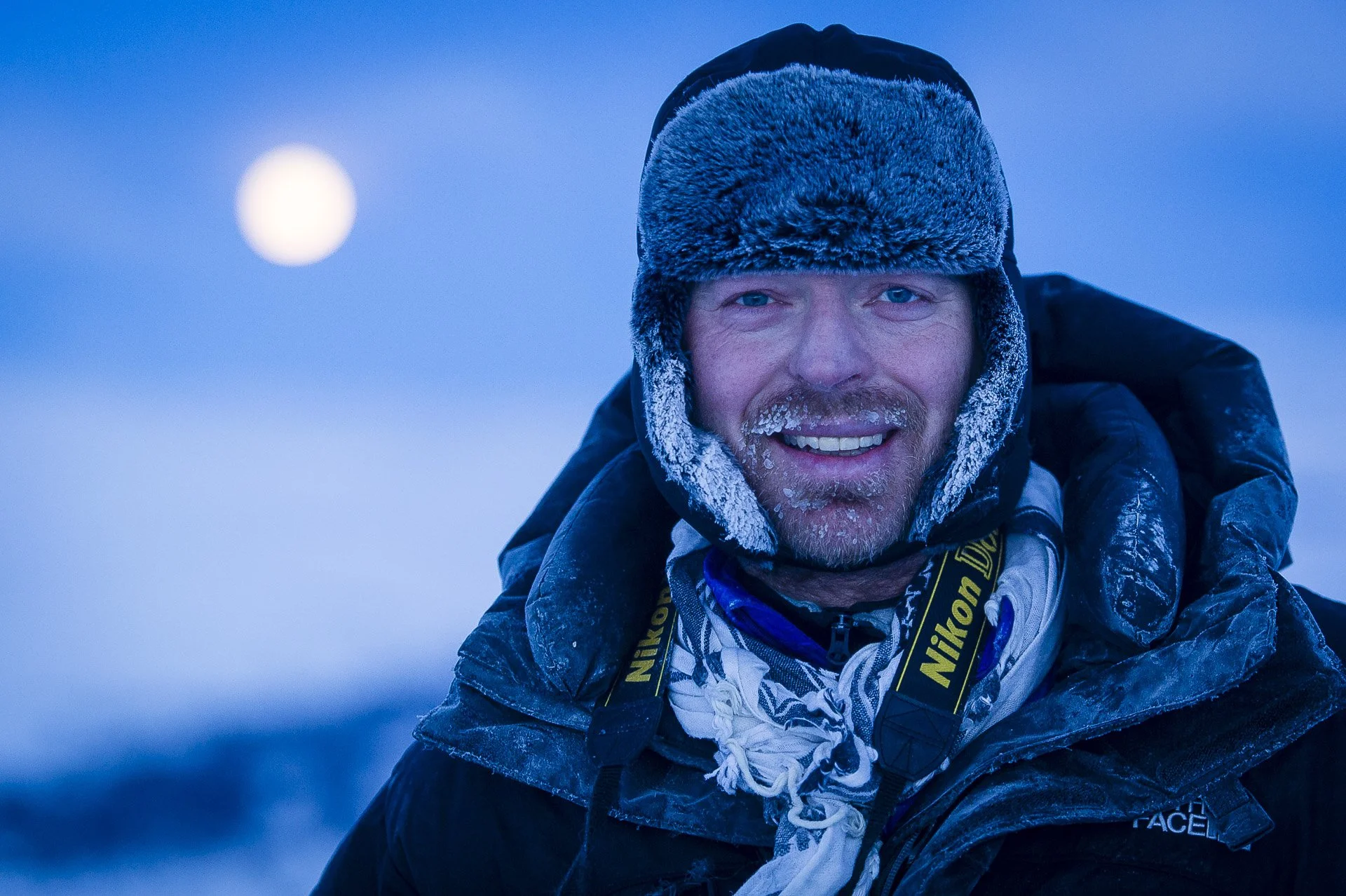
Roger Brendhagen
How to Book
To reserve your place on this tour, please complete the contact form below to register your interest. We will then be in touch with the full tour brochure, detailed itinerary, and all relevant travel terms. Once you are happy with the itinerary and logistics, a 10% deposit will be required to confirm your booking. The remaining balance is due no later than 90 days prior to departure.